CONCEPT
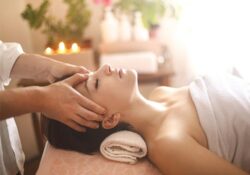
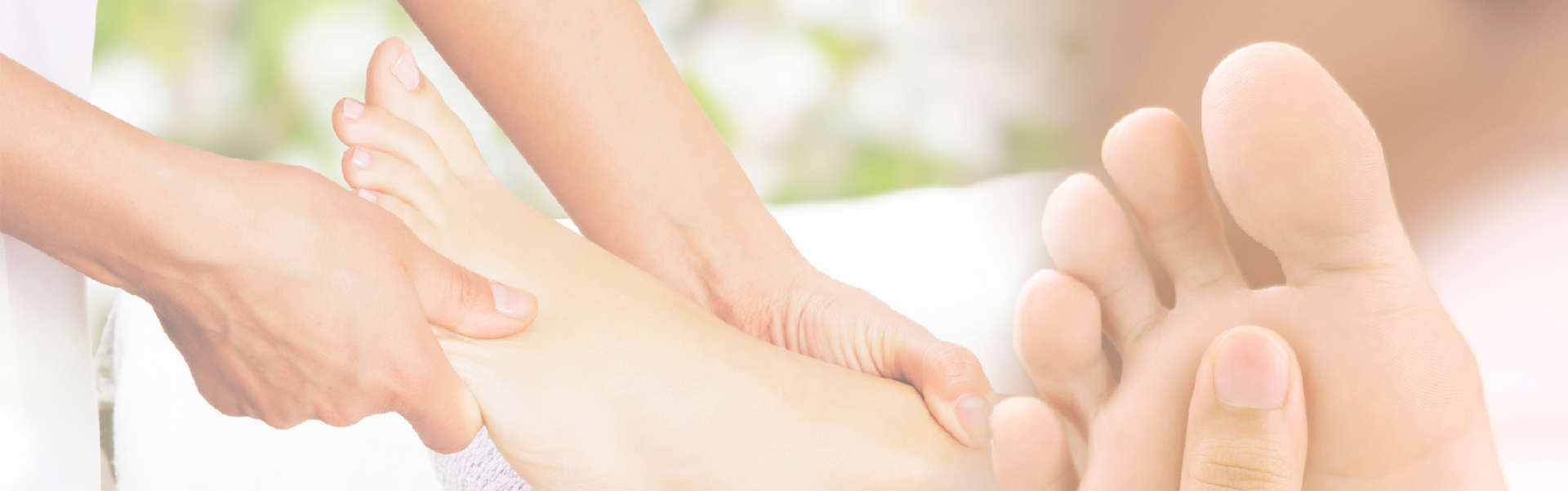
Reflexology is a holistic treatment that uses the souls of the feet the hands and the ears, that are a map of the whole body, it is essentially a type of massage, and each part of the body is split into different zones ranging from 1-5, and each zone is worked using a range of techniques that use varied pressure points associated to each zone, known as zone therapy developed by Dr. William Fitzgerald in the early 20th century, and further developed by that these are connected to each organ of the body to help treat different ailments individuals may be suffering from.
THERAPY OBJECTIVES
Reflexology is a form of complementary therapy and the objectives are to treat an individual using pressure points linking to zones of the body through the hands, feet or ears to help treat of heal and individual who is in pain or discomfort.
ORIGIN AND DEVELOPMENT
Reflexology can be traced back to Egypt in 2330 bc, an image of early reflexology that was discovered in 1897 on the wall of the Ankhmahor Tomb. The Chinese have also been using reflexology for over 5000 years, both of these heavily influenced the development of reflexology
The study’s and development where furthered on by Sir henry Head between (1861 – 1940) in his study of sensory dermatomes, and carried on by Sir Charles Sherrington (1857-1952) who won a noble prize in 1932 that he shared with Edgar Adrian for their studies into the function of neurons. He discovered nociceptors the sensory nerve that can initiate the sensation of pain and his work went on to development of brain surgery.
Dr William Fitzgerald is the most important person in the history of reflexology with his findings and development of ten zone therapy that link five fingers and toes to the central line and five fingers to the midline. These run from top to bottom and front to back on the body, and in 1915 Dr Edwin Bowers brought reflexology to the rest of the medical profession. Then in 1917 Dr joseph Riley and his wife Elizabeth Ann Riley helped to develop it further. The Riley family decided to research the topic further in their school and Eunice Ligham had a very strong interest in zone therapy. In the 1930s after a discussion with herself and Riley, she helped to develop the reflexology charts that we know and use in the world of reflexology today.
Information obtained from ( tucker 2020)